
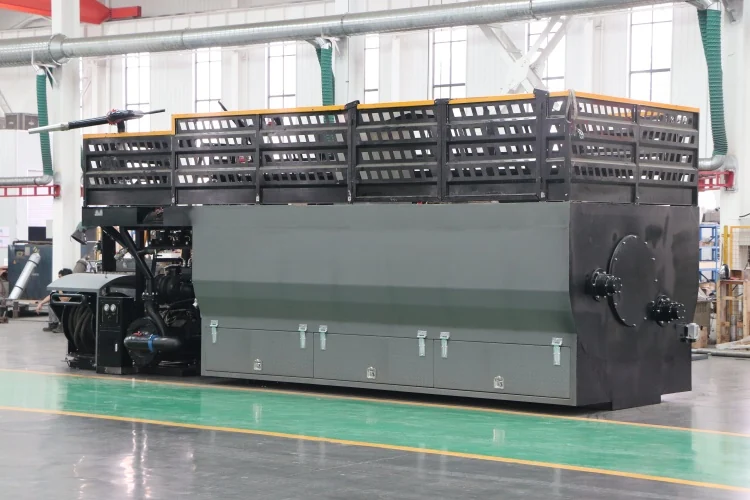
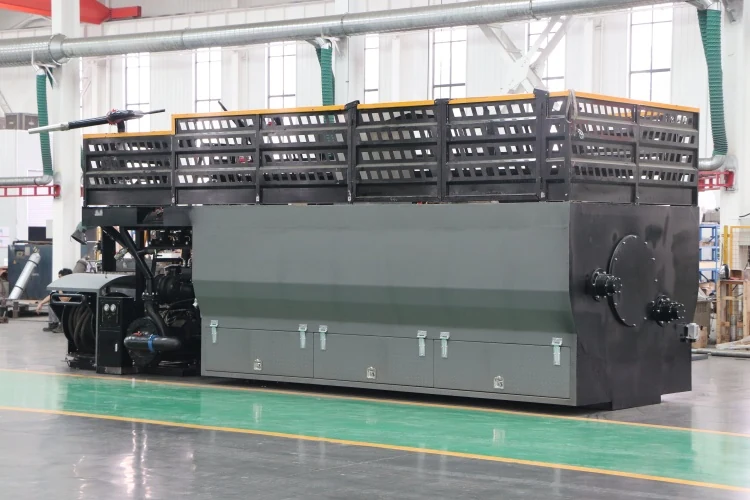
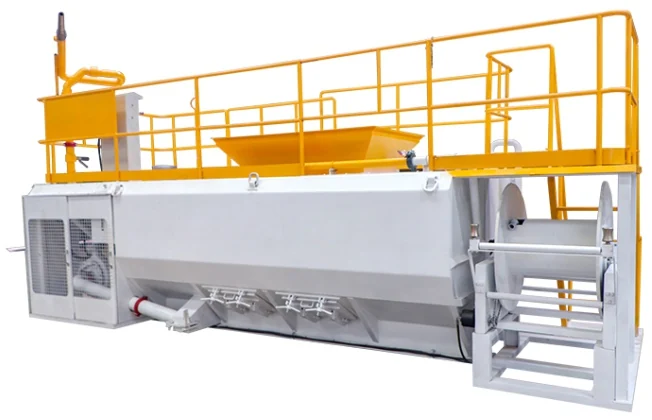
WHS15190 Hydroseeder
- Liquid capacity
- 15,000 L
- Engine power
- 190 kW
- Horizontal conveying
- 85 m
WODETEC · HYDROSEEDING EQUIPMENT
Compare 12 documented WHS configurations by stated tank capacity, engine rating and model-specific conveying data. Confirm material compatibility and the order configuration.
Find your configurationMIX. PUMP. SPRAY.
Hydroseeding applies a specified mixture of seed, fibre mulch, fertiliser and water to prepared ground. Any binder or soil amendment must be selected for the project and the machine configuration.
Inside the machine, mechanical agitation keeps solids in suspension while a centrifugal pump moves the slurry to a cannon or hose gun. Tank size, engine rating and pump configuration vary by model.
The documented WHS range includes stated tank capacities from 1,200 L to 15,000 L. Distinguish liquid, geometric, effective and working capacity, then review the planned materials, water supply and delivery route.
Tank size is one input. Share the slurry formulation, application area, access, water supply, hose route and required working output so the configuration can be reviewed against the job.
WHS15190Explore this configuration →Explore application guides →COMPARE THE RANGE
Compare tank capacity, engine configuration and conveying data. Open a model for its complete technical specification.
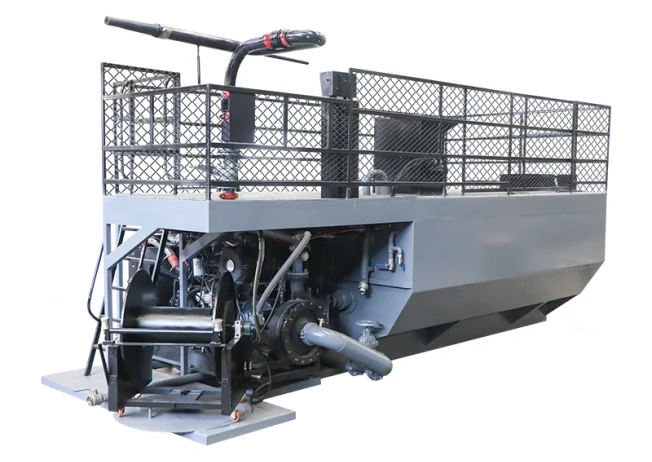
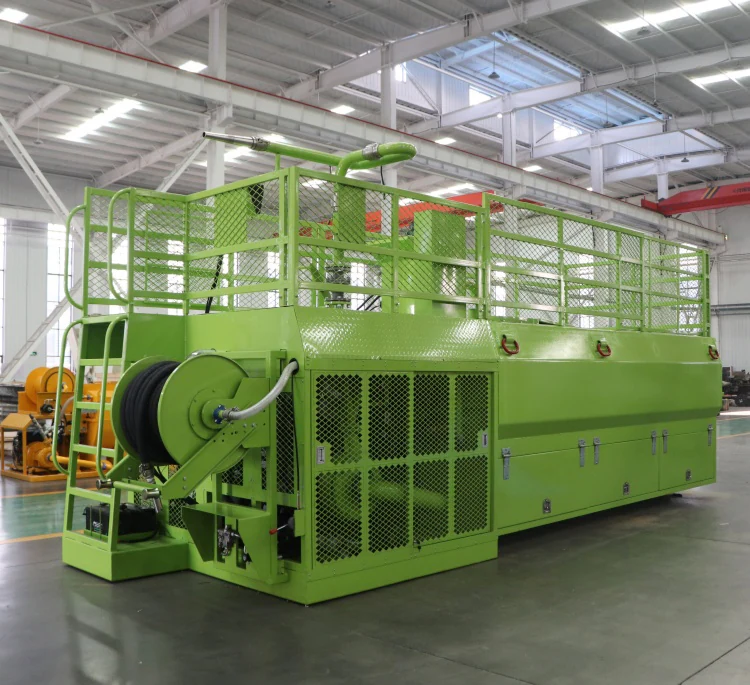
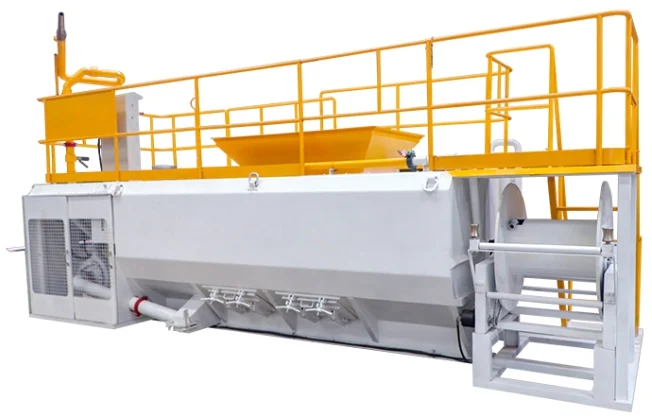
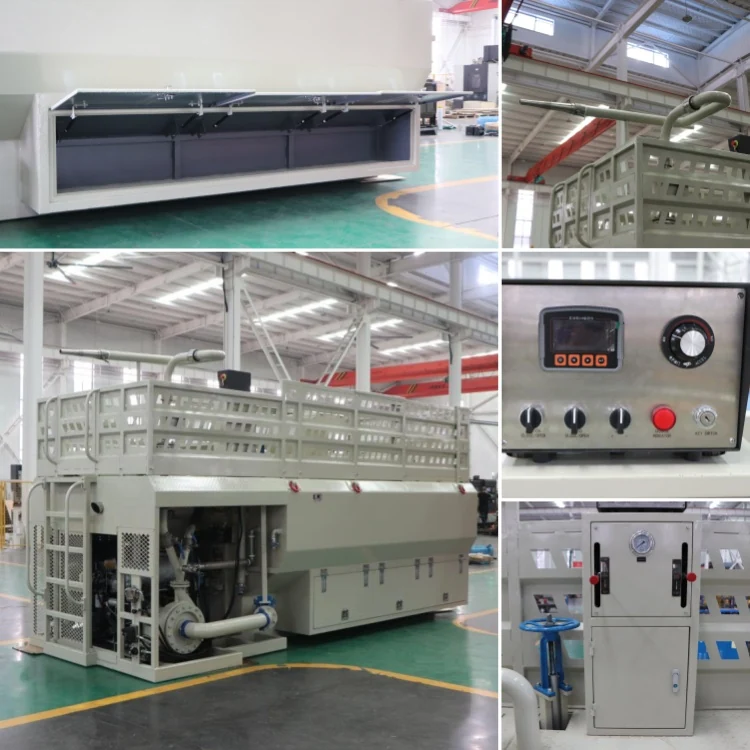
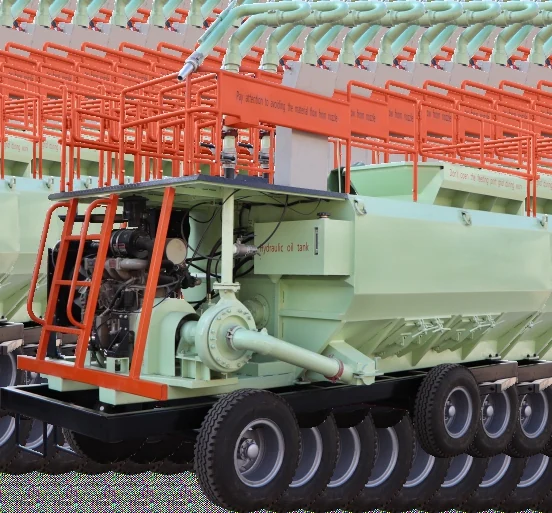
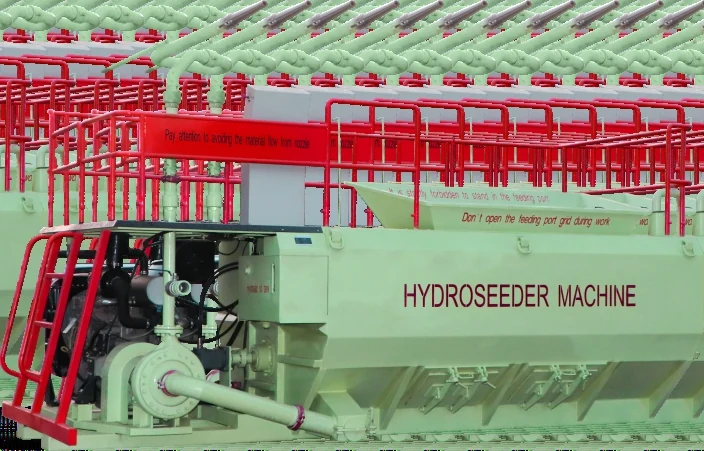
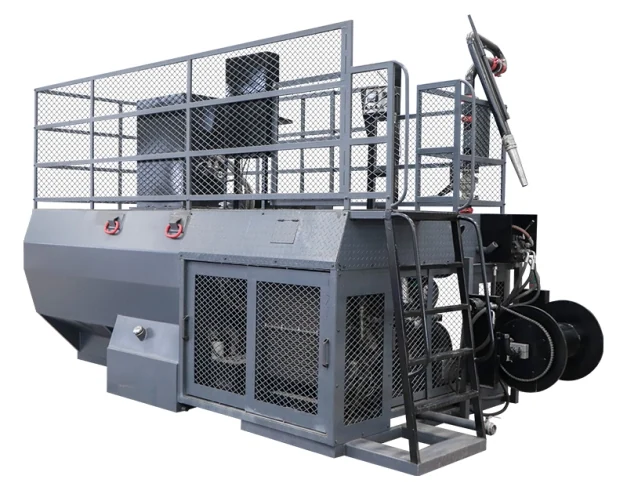
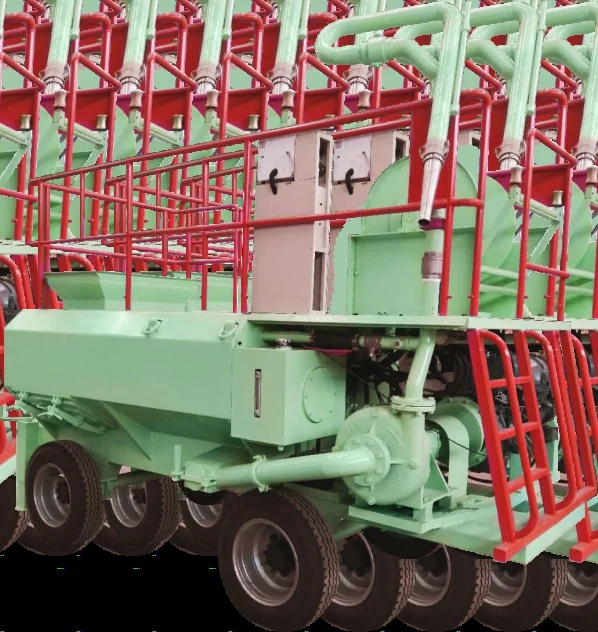
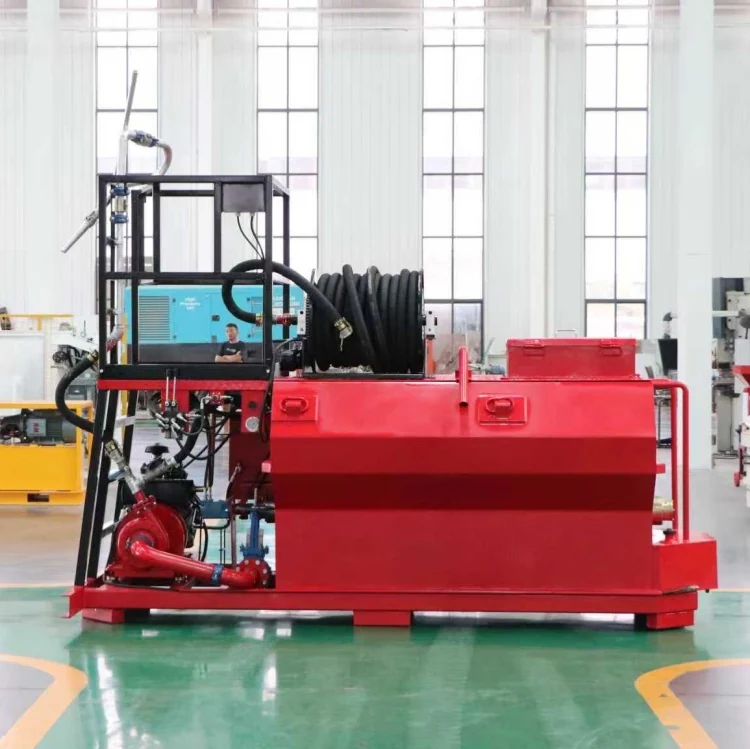
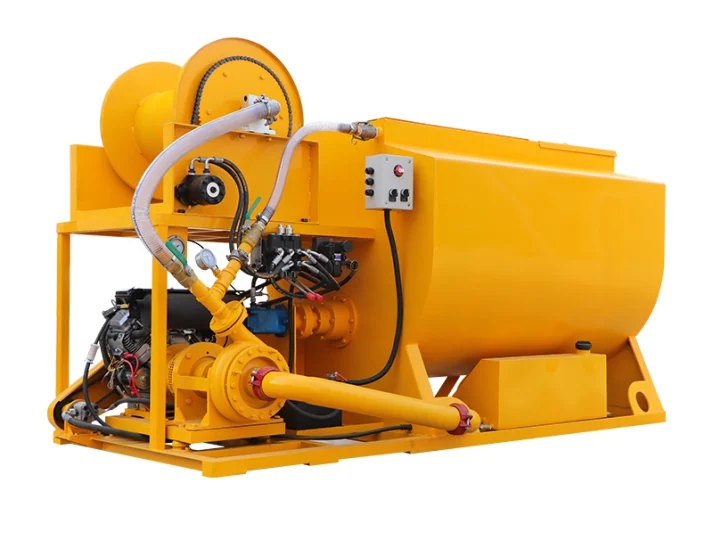
Conveying figures are model-specific reference data. Actual suitability depends on slurry, elevation and operating conditions.
LET’S REVIEW YOUR REQUIREMENTS
Share your application, preferred tank volume and delivery requirements.
We can use your brief to discuss the configuration.
UNDERSTAND THE EQUIPMENT
Look beyond tank size. Review the complete mixing and delivery configuration.
Check whether the model states liquid, geometric or effective tank capacity, and review working capacity separately.
Review model-specific engine rating, fuel type and cooling arrangement.
Check how the selected model keeps the specified slurry mixed and in suspension.
Review pump output and reference conveying distance alongside the actual hose route and elevation.
Confirm the supplied spray-gun arrangement and the reach needed for safe operating positions.
Discuss tank-volume and trailer requirements. Confirm which options are available for your model.
MATCH THE MACHINE TO THE WORK
Site planning starts with your surface, materials, access and water supply.
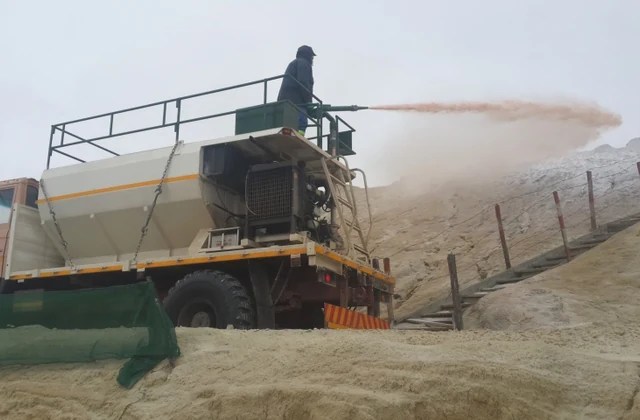
Review slope geometry, surface preparation and safe machine positions.
Explore application →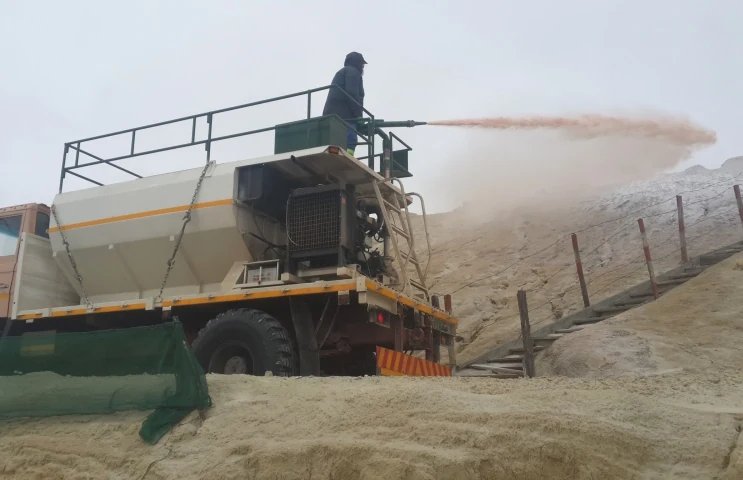
Define exposed surfaces, treatment materials and delivery routes.
Explore application →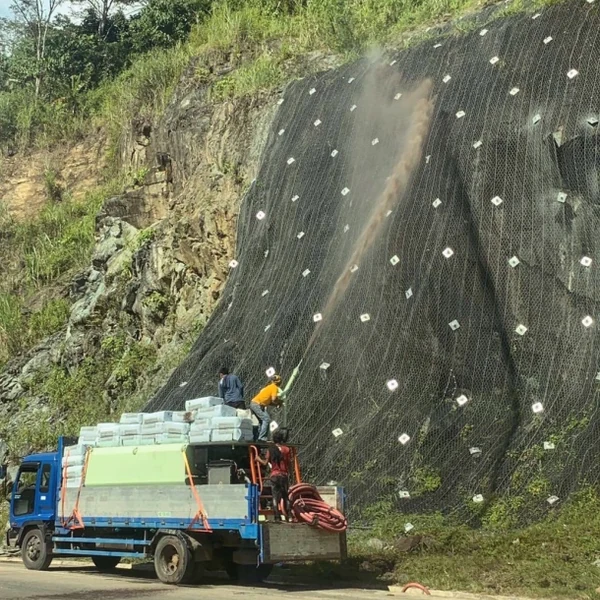
Include site access, water supply and elevation changes in the equipment brief.
Explore application →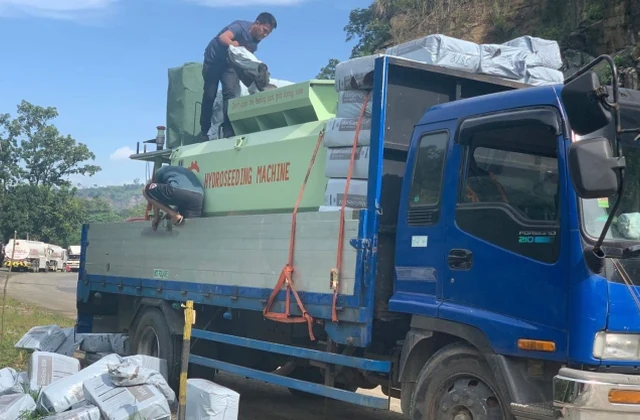
Plan prepared surfaces, water availability and the proposed slurry.
Explore application →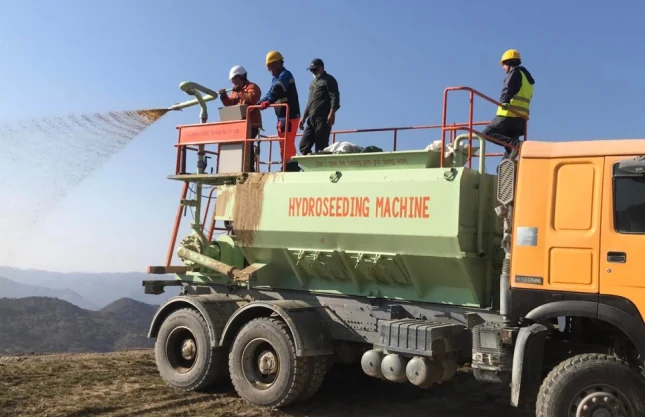
Confirm the treatment material and site requirements before selecting equipment.
Explore application →HAVE A DIFFERENT SITE?
Share the treatment area, access, material specification and water supply to start the discussion.
Discuss your application →Supplied worksite photographs illustrate operating contexts. They are not verified customer projects or measured results.
A CLEARER EQUIPMENT PROPOSAL
Ask for model-specific technical data, the exact configuration and the applicable drawings. Review the machine and the intended materials together.
MOQ, lead time, packing, commissioning and warranty terms need confirmation in your quotation.
Explore technical support →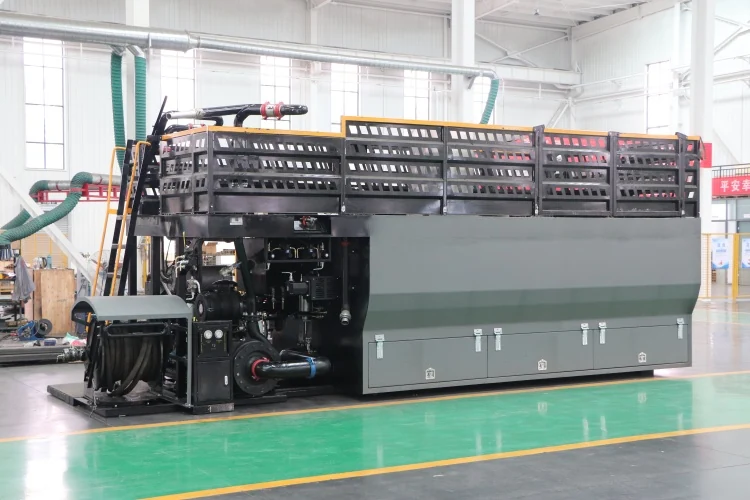
FROM SITE BRIEF TO MODEL SELECTION
Four practical steps to a more useful configuration discussion.
STEP 01
Map the treatment surface, access restrictions, safe machine positions and available water supply.
Explore this step →STEP 02
Share the specified slurry ingredients and preparation method. Check compatibility with the model under consideration.
Explore this step →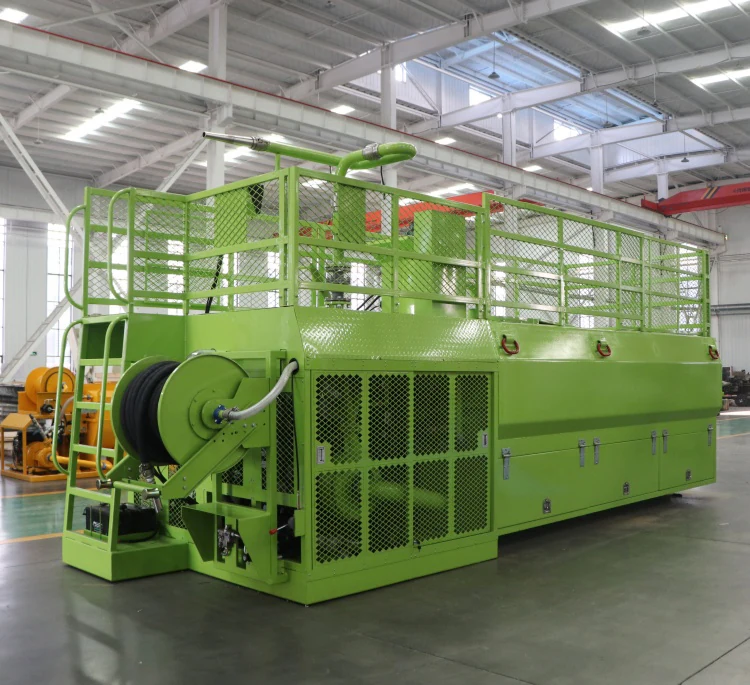
STEP 03
Review liquid and working capacities, engine, pump, conveying data and dimensions. Confirm the required configuration.
Explore this step →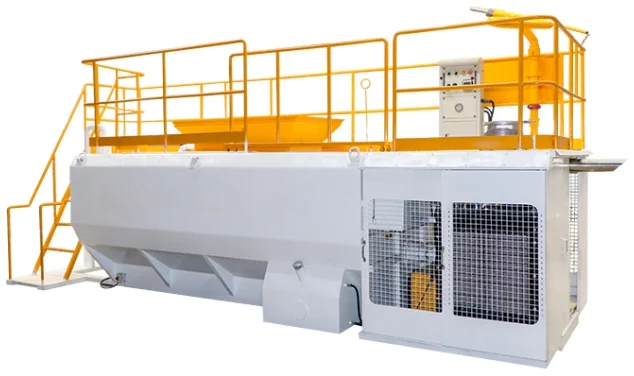
STEP 04
Ask for order-specific drawings, packing and delivery scope, commissioning, training, spares and warranty terms.
Explore this step →BEFORE YOU ORDER
Review these points with your equipment supplier before confirming an order.
Start a discussion →Check liquid and working capacities, engine, pump, dimensions and selected options against the intended materials and vehicle.
Compare model data →Request the final specification, drawings, packing and delivery terms. Confirm training, spares and warranty scope in writing.
Review enquiry topics →EQUIPMENT QUESTIONS
A hydroseeder mixes and applies the specified slurry to a prepared surface. The supplied WHS material describes soil substrate, seed, mulch, water-retention agent, binder, fertiliser and water. Confirm the intended formulation against the model.
Compare usable working capacity, refilling access, available water, vehicle limits and the daily work plan. The catalogue includes stated tank capacities from 1,200 L to 15,000 L. Liquid, geometric, effective and working capacity are different definitions.
Read the model-specific table. Engine rating, pump capacity, pressure and solid clearance should be reviewed together with the intended materials and delivery route.
No. The listed maximum horizontal conveying figure is a model-specific reference. It is not a universal hose-length or field-performance guarantee. Slurry, elevation and operating conditions require review.
The supplied product material describes tank-volume changes and trailer configurations. Available options vary by model; request the exact scope and specification in your quotation.
The material describes slope greening, erosion control, mine and oilfield reclamation, landscaping, turf, landfill cover and dust control. Equipment suitability depends on the project specification.
Send the application, treatment area, slurry ingredients, preferred tank volume, water supply, hose route, elevation changes, vehicle restrictions and destination. Add a model shortlist if you have one.
MOQ, lead time, packing, delivery, commissioning, training, spare-parts and warranty terms need confirmation in the order-specific quotation. They are not implied by the reference specification.
WHS06100A, WHS08118 and WHS06118 remain outside this catalogue while their key parameters are unverified.
WHS EQUIPMENT ENQUIRY